2-Year Employment Visa Dubai Price: 2026 Legal Guide

Última actualización el Nov 26, 2026
Escrito porKajol Kanojia
Revisado porHaya Daye
100k+ Businesses Registered
Conectemos.
Table of Contents
Are you planning to work in Dubai and wondering about the 2-year employment visa? Whether you’re considering opportunities in mainland Dubai or its dynamic free zones, understanding the visa process, cost, and requirements is crucial to getting started.
Dubai is a top destination for job seekers, offering countless opportunities and a lavish lifestyle. But knowing the details, including the cost, is essential before you pack your bags.
The 2-year employment visa in Dubai price ranges from AED 4,500* to AED 6,000*, with variations depending on whether you’re applying for a Dubai mainland company or a free zone entity. The exact amount depends on factors such as who sponsors you and the type of job you’re applying for.
In this blog, we’ll explain everything you need to know about the 2-year visa, including the cost, requirements, and the process to get started. Let’s make your move to Dubai easy!
What is an employment Visa in Dubai?
An employment visa in the UAE is a legal permit that allows foreign nationals to live and work in the country under an employer’s sponsorship. A 2 Year Employment Visa Dubai is a popular option that provides work authorisation for two years, with costs varying based on factors like employer category and employee skill level.
Advantages of an Employment Visa in Dubai
Getting an employment visa in Dubai, whether for a mainland company or one of Dubai’s free zones, comes with numerous benefits that enhance your professional stability and overall quality of life.
Job Stability
With a 2-year employment visa in Dubai, you gain the peace of mind that comes with job security. Unlike shorter visas that require frequent renewals, this visa allows you to focus on your work and professional growth for a more extended period.
Residence Benefits
The visa legally permits you to live and work in Dubai, simplifying your stay and ensuring compliance with UAE residency laws.
Access to Government Services
A Dubai employment visa opens doors to essential services like obtaining health insurance, registering for utilities (electricity, water), and opening a bank account. These services are critical for a comfortable life in the UAE.
Family Sponsorship
You can sponsor your spouse, children, or even parents with this visa. It allows them to live in Dubai. This is especially beneficial for those looking to settle with their families.
Travel Flexibility
The visa allows unrestricted entry and exit during its validity. Additionally, making it easy to travel abroad without needing additional permits or re-entry visas.
Career Opportunities
Many companies in Dubai prefer hiring individuals with valid employment visas. Having an employment visa improves your chances of securing better job opportunities in the region.
Pathway to Long-Term Residency
The 2-year visa can be a stepping stone toward obtaining long-term residency options like the Golden Visa. It offers even more excellent stability and benefits for professionals in Dubai.
Access to Loans and Credit
Banks and financial institutions in Dubai often require a valid visa to approve loans, mortgages, or credit cards. This visa provides you with the eligibility to access these economic benefits.
Types of Employment Visas in the UAE
When pursuing a career in the UAE, understanding the various types of employment visas, whether for free zones like DMCC or mainland Dubai companies, is essential. Below are the common types of employment visas in the UAE, including the widely sought-after employment visa in Dubai:
Standard Employment Visa
- Validity: Typically issued for 2 years (renewable).
- Applicable For: Employees sponsored by companies in free zones or mainland Dubai.
- Features:
- Grants the holder the legal right to reside and work in the UAE.
- The employer must handle documentation, medical tests, and Emirates ID issuance.
Standard Work Visa
- Validity: 2 years (renewable).
- Applicable For: Sponsored by employers in the private sector, government, or free zones.
- Features:
- The most common visa type.
- Ties the employee to the sponsoring employer during the visa’s validity.
- It can be renewed once it expires.
Free Zone Employment Visa
- Validity: Issued for 2 or 3 years, depending on the free zone.
- Applicable For: Employees working within UAE free zones such as JAFZA, DMCC, or DIFC.
- Features:
- Sponsored by the free zone authority.
- Free zones like JAFZA and DMCC are known for their streamlined processes, making it easier and faster to secure a 2-year employment visa without excessive paperwork.
Green Visa
- Validity: 5 years.
- Applicable For: Freelancers, skilled professionals, investors, and entrepreneurs.
- Features:
- Provides greater independence and flexibility in work and residency.
- No sponsor or employer is required, making it attractive for those seeking professional autonomy.
Golden Visa
- Validity: Long-term, typically up to 10 years.
- Applicable For:
- High-net-worth individuals, investors, and specialised talents.
- Entrepreneurs with projects valued at AED 500,000 or more and real estate investors owning properties worth AED 2 million or more.
- Features:
- Long-term residency without requiring an employer sponsor.
- Perfect for individuals looking to establish long-term residence in the UAE without the need for frequent renewals.
Temporary Work Permit
- Validity: Short-term, usually for 3 to 6 months.
- Applicable For: Professionals involved in project-based or freelance work.
- Features:
- Requires a no-objection certificate (NOC) from the current sponsor.
- Ideal for consultants and part-time workers.
Key Takeaway
The employment visa in Dubai is the go-to choice for professionals seeking stability and long-term opportunities. Its flexibility, whether for mainland companies or free zones, along with renewal options, makes it a reliable pathway for expatriates aiming to build their careers in Dubai.
Eligibility Requirements for Employment Visas in UAE
Non-resident workers wishing to obtain an employment visa in the UAE must fulfil the specific criteria set by the Ministry of Human Resources and Emiratisation (MOHRE):
Qualification Categories
The UAE categorises foreign workers based on their educational qualifications and skill level:
- Category 1: Individuals with bachelor’s degrees or higher in any field.
- Category 2: Those with post-secondary qualifications (such as diplomas or vocational certifications) in any field.
- Category 3: Individuals with a high school diploma or equivalent certification.
Age
Applicants must be at least 18 years of age. Although there is no upper age limit for obtaining a work visa, employees over 65 may incur higher costs for the employer due to additional health insurance and benefits requirements.
These categories determine the type of work visa issued. Each category has distinct eligibility criteria, salary expectations, and benefits. Depending on the category, applicants may also be eligible for specific job roles and career opportunities in the UAE.
The UAE’s visa regulations ensure that foreign workers meet the necessary qualifications and contribute positively to the country’s workforce, all while maintaining compliance with national labour laws.
Visa Regulations in the UAE
To qualify for employment in the UAE, applicants must adhere to several key criteria in addition to specific requirements set by their prospective employers. These regulations ensure that employees and employers comply with UAE laws governing foreign workers.
General Eligibility Criteria
Regulatory Compliance
Employers must comply with all legal regulations surrounding employment in the UAE, including labour laws, wage structures, and workers’ rights. Failure to do so could result in penalties for both employers and employees.
Employer’s Authenticity
The hiring company must possess a valid license issued by the relevant UAE authorities, ensuring the business is legally recognised and authorised to employ foreign workers.
Career Fit
The applicant’s job role must align with the business activities of the hiring organisation. The nature of the job should be consistent with the company’s industry and operational focus.
Minimum Age Criteria
If an applicant wants a UAE work visa, they must be at least 18 years old. While there is no maximum age limit for foreign workers, employers may face additional costs or regulatory procedures for hiring individuals over 65.
Steps to Securing a 2-Year Employment Visa in Dubai
Securing a 2-year employment visa in Dubai is crucial for expatriates intending to live and work in the UAE.
This visa allows foreign workers to live and work legally while enjoying the benefits of living in one of the most dynamic cities in the world. Here’s a detailed breakdown of the process:
Step 1: Starting with Visa Quota Approval
Employers must begin by securing approval for a visa quota from the Ministry of Labor (MoL), whether operating in mainland Dubai or a specialised free zone.
Depending on the free zone authority’s specific regulations, businesses operating in free zones may require additional permissions.
Step 2: Employment Contract Submission
Once the employer and employee agree on the terms, the employment contract must be submitted to the MoL for approval.
This critical document outlines job responsibilities, salary, and other benefits. If the employee’s native language is neither Arabic nor English, a translated contract may be required to ensure complete understanding and compliance.
Step 3: Application for an Employment Entry Visa
Application for an Employment Entry Visa. The employer applies for the employee’s work visa with the MoL. This step typically takes 3–5 working days, depending on the completeness of the documents and approvals.
For certain positions, the employee may need to provide attested educational certificates validated by the Ministry of Foreign Affairs (MOFA).
Step 4: Issuance of the Entry Visa
Upon approval, the MoL issues a 60-day entry visa. This visa enables the employee to enter the UAE, begin the procedures for obtaining residency, and finalise work permit formalities.
Step 5: Emirates ID Application
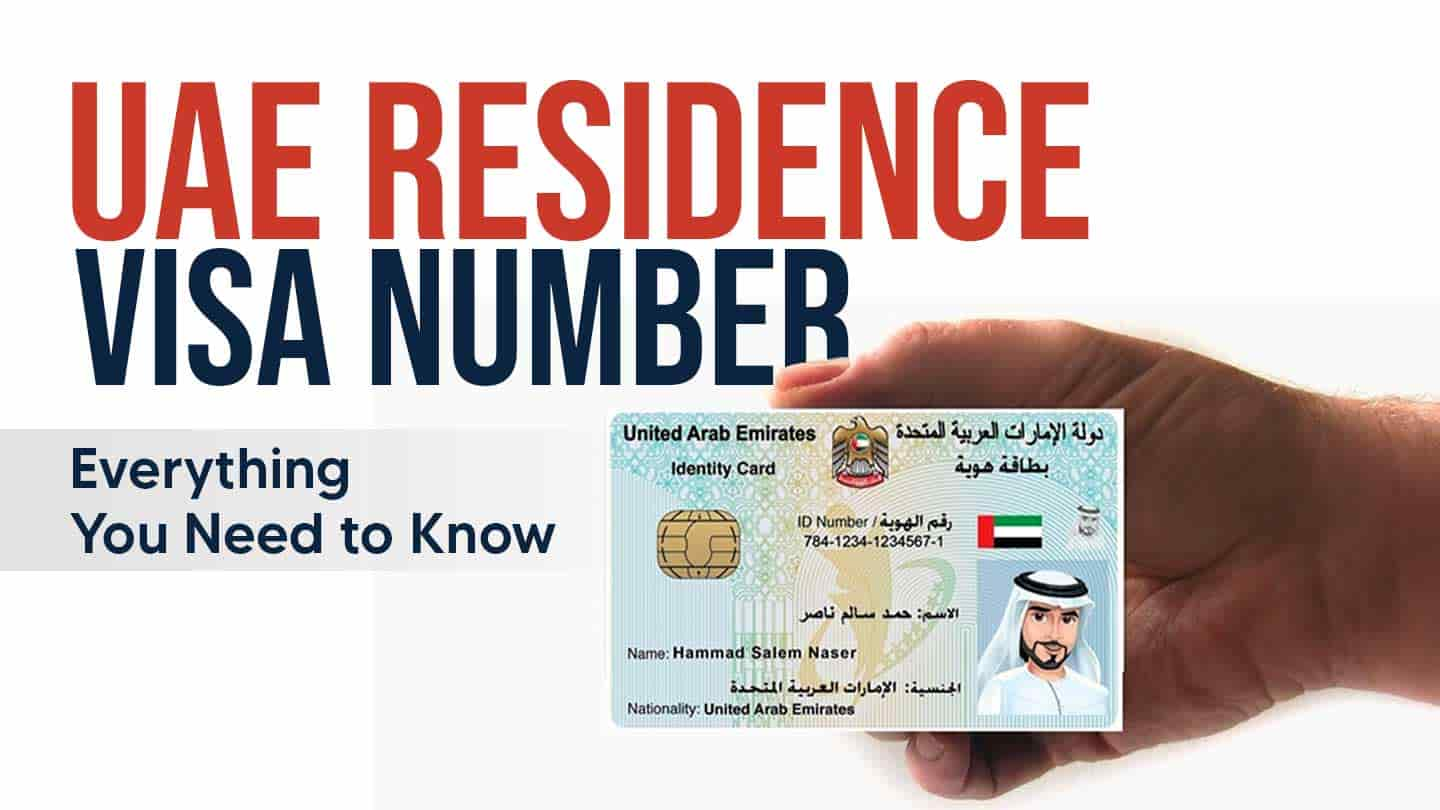
The next step after arriving in the UAE is to apply for an Emirates ID. This government-issued identification card is mandatory for all residents and is required for various daily activities, such as opening bank accounts and renting accommodation.
Employees must visit an Emirates Identity Authority (EIDA) centre, where they provide biometrics like fingerprints and photographs as part of the application process.
Step 6: Completing the Medical Examination
All expatriates are legally required to undergo a medical fitness test. Conducted at government-approved clinics, the test screens for communicable diseases such as tuberculosis and HIV.
Passing this test is mandatory to proceed with the residence visa application and to ensure public health safety.
Step 7: Registering for a Labor Card
After completing the medical exam, the employer must upload the signed labour contract to the MoL portal within 14 days. This step officially registers the employee as a legal worker in the UAE under the Ministry’s database.
Step 8: Securing Medical Insurance
Medical insurance is compulsory in the UAE, and employers are responsible for providing coverage for Dubai and Abu Dhabi employees.
In other Emirates, workers may need to arrange their insurance. Health insurance is essential for accessing healthcare services and is a prerequisite for a residence visa application.
Step 9: Receiving the Work Permit
The Ministry of Labor issues the work permit after verifying all requirements. This process typically takes about five business days. Once the work permit is granted, the employee is officially allowed to start working, and the employer can include them in the payroll system.
Step 10: Residence Visa Application
The final step is to apply for a residence visa, which allows the employee to live in the UAE for two years. If the card has yet to be issued, a receipt from the Emirates ID application can be submitted along with the required documentation.
The residence visa is a legal necessity and grants access to essential services like banking, utilities, and family sponsorship.
By following these steps, you can successfully obtain a 2-year employment visa in Dubai, enabling you to live and work in the UAE without legal complications. This process ensures compliance with local regulations, safeguards public health, and provides employees with the necessary resources to thrive professionally and personally. For further assistance or specific inquiries, contact Shuraa business experts.
Documents Required for a 2-Year Employment Visa in Dubai
To apply for a 2-year employment visa in Dubai, the following documents are typically required:
- Valid Trade License
- Employment Contract
- Passport Copy
- Passport-sized Photographs
- Educational Certificates
- Medical Fitness Certificate
- Previous Visa Cancellation (if applicable)
- Entry Permit
- Emirates ID
- No Objection Certificate (NOC)
2-year Employment Visa Dubai Price
The cost of a 2-year employment visa in Dubai starts at AED 4,500 to 6,000, while degree attestation fees begin at AED 750*. For an accurate breakdown of your requirements, contact Shuraa Business Setup for expert guidance and pricing details.
Disclaimer: Costs and requirements mentioned are subject to change. For the most accurate and updated information, consult with Shuraa Business Setup.
Conditions for Obtaining a 2-Year Work Visa in Dubai
Here are the key pointers for the conditions for obtaining a 2-year visa in Dubai:
- Work Visa Requirement: To obtain a work visa, you need a work permit, which requires a sponsor (typically your employer).
- Company Sponsorship: The employer company sponsors foreign workers and issues visas for them.
- Independent Businesses: Independent business owners receive a renewable Partner’s Visa, valid for three years.
- Cost of Visa: For a 2-year work permit, the sponsoring company covers the costs, or the candidate is responsible for paying the fees.
- Family Settling or Long-Term Stays: For long-term stays without employment or to settle with family, a sponsor (usually a family member) is required.
- Employment Limitations: Sponsored individuals can only work for the sponsor.
- Azad Visa for Domestic Workers: Domestic workers typically use an Azad Visa, which limits job options and lacks labour law protections.
Your Guide to the 2-Year Employment Visa Dubai
In conclusion, obtaining an employment visa for Dubai is a crucial step for professionals looking to work and settle in this dynamic city. With a range of benefits, such as job stability, residence advantages, and access to essential services, this visa offers both personal and professional growth opportunities.
Shuraa Business Setup is your trusted partner in navigating Dubai’s visa requirements. Whether applying for a mainland or free zone visa, we ensure a hassle-free process by managing documentation, providing expert advice, and guaranteeing compliance with UAE laws. Contact us today to get started!
Shuraa Business Setup offers multilingual support to ensure every detail of your application is managed smoothly. Whether in English, Hindi, or Arabic, we’re here to assist.
For expert advice and support with your employment visa Dubai application, contact us at +97144081900, send a WhatsApp message to +971507775554, or email us at info@shuraa.com for prompt assistance.
FAQs
Q1. What is the Dubai 2-year work visa processing time?
The processing time for a Dubai 2-year work visa typically takes 2 to 3 weeks, depending on the completeness of the application and any additional approvals required.
Q2. What are the 2-year employment visa Dubai requirements?
The 2-year employment visa Dubai requirements include:
- A valid job offers
- A passport with at least 6 months of validity
- A medical fitness test
- Emirates ID registration
- Proof of accommodation.
Your employer must also provide relevant documentation and sponsorship.
Q3. How can I apply for the 2-year employment visa Dubai online?
You can apply for the 2-year employment visa in Dubai online through the official UAE government portals or authorised service providers. The process involves submitting your documents, completing the application, and paying the necessary fees.
Q4. Can I transfer my 2-year employment visa from a free zone to a mainland company in Dubai?
Yes, you can transfer your employment visa, but it requires approval from both employers and relevant authorities. Free zones and mainland companies have different regulations, so it’s best to consult with an expert.
Q5. What are the benefits of a free zone 2-year visa compared to a mainland visa?
Free zone visas often offer simplified processes and flexibility, while mainland visas allow you to work anywhere in the UAE without restrictions. The choice depends on your career goals.
Leave a Comment
No comments yet. Be the first voice in the void.

Kajol es un escritor versátil y asesor corporativo de UAE con una gran experiencia en consultoría de negocios y especialización de nicho en la elaboración de blogs perspicaces para empresarios. La competencia de Kajol se extiende a las complejidades…